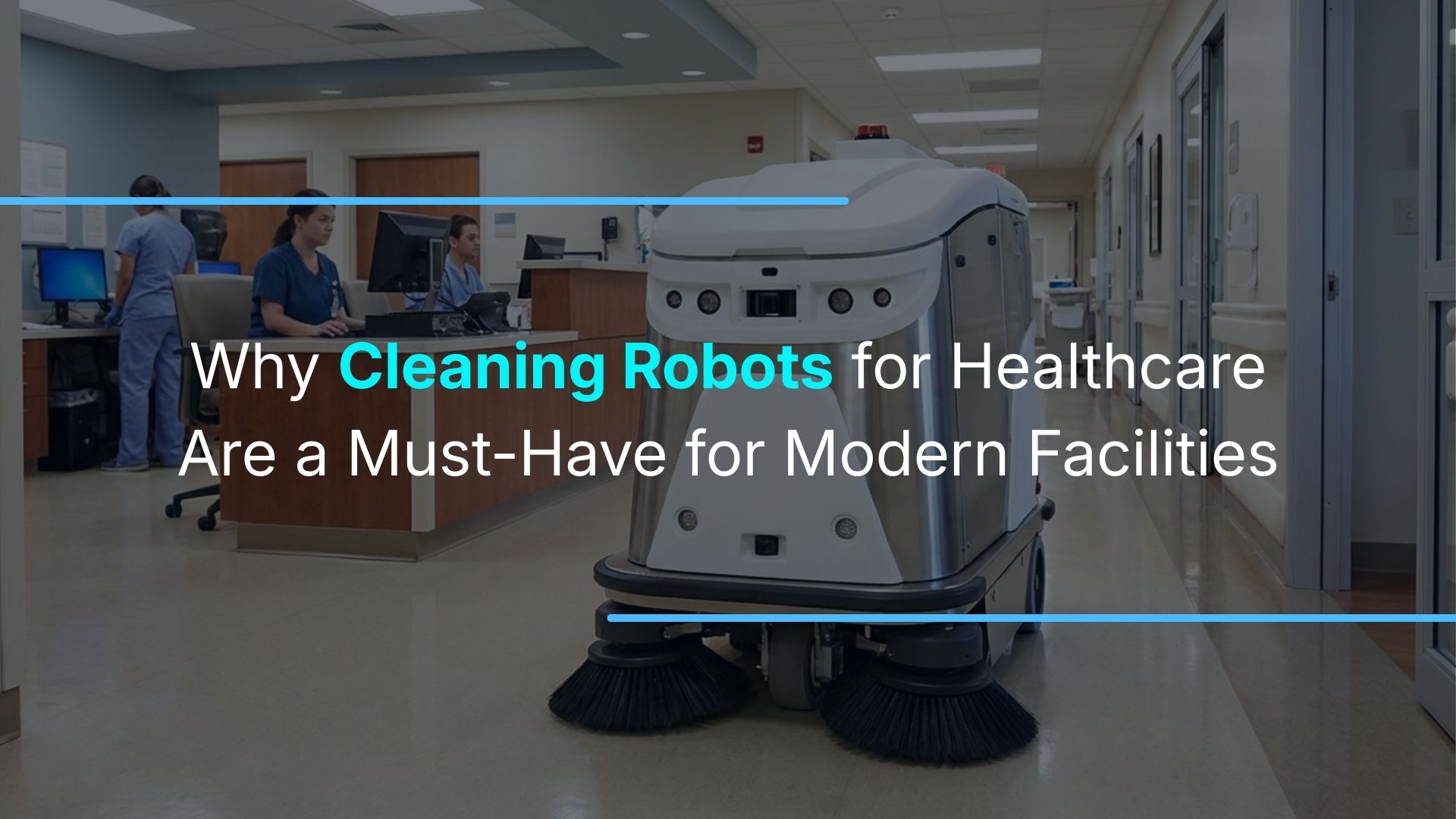
Hospitals and healthcare facilities face mounting pressure from labor shortages, rising operational costs, and the need for consistent service delivery. Automated robotics are increasingly implemented to maintain high standards of care, with deployments by Swisslog Healthcare and Aethon demonstrating 30-40% efficiency gains in hospital logistics operations across major hospital chains.
Mid- to large-scale hospitals rely on these systems to manage high-volume operations without compromising quality or safety. The advantages of using robots in hospitals extend beyond operational efficiency to include hygiene compliance, internal supply chain optimization, and improved patient satisfaction.
This article explores the advantages of using robots in hospitals, key applications and use cases, operational benefits and limitations, real-world examples, and the future outlook of robotics in healthcare facilities.
Key Takeaways
Automated robots reduce repetitive workloads while improving operational efficiency and service quality in hospitals.
Predictive logistics and fleet coordination optimize intra-hospital deliveries and staff allocation.
Energy-efficient, sustainable robotics minimizes facility costs and environmental footprint.
Infection-control protocols integrated with robotics enhance patient safety and hygiene compliance.
Hospitals gain measurable ROI through labor savings, operational reliability, and enhanced staff capacity.
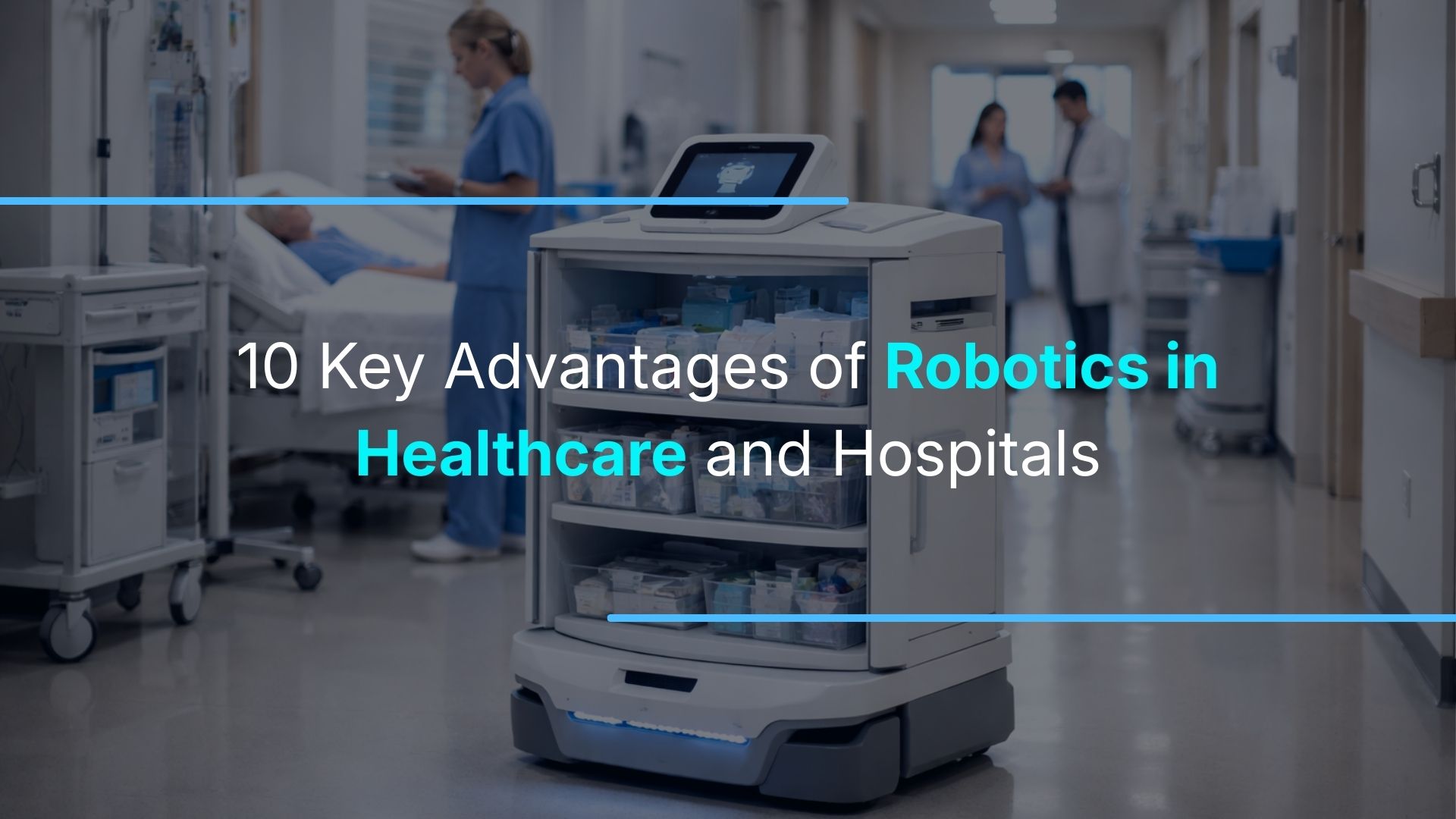
10 Major Advantages of Robotics in Healthcare
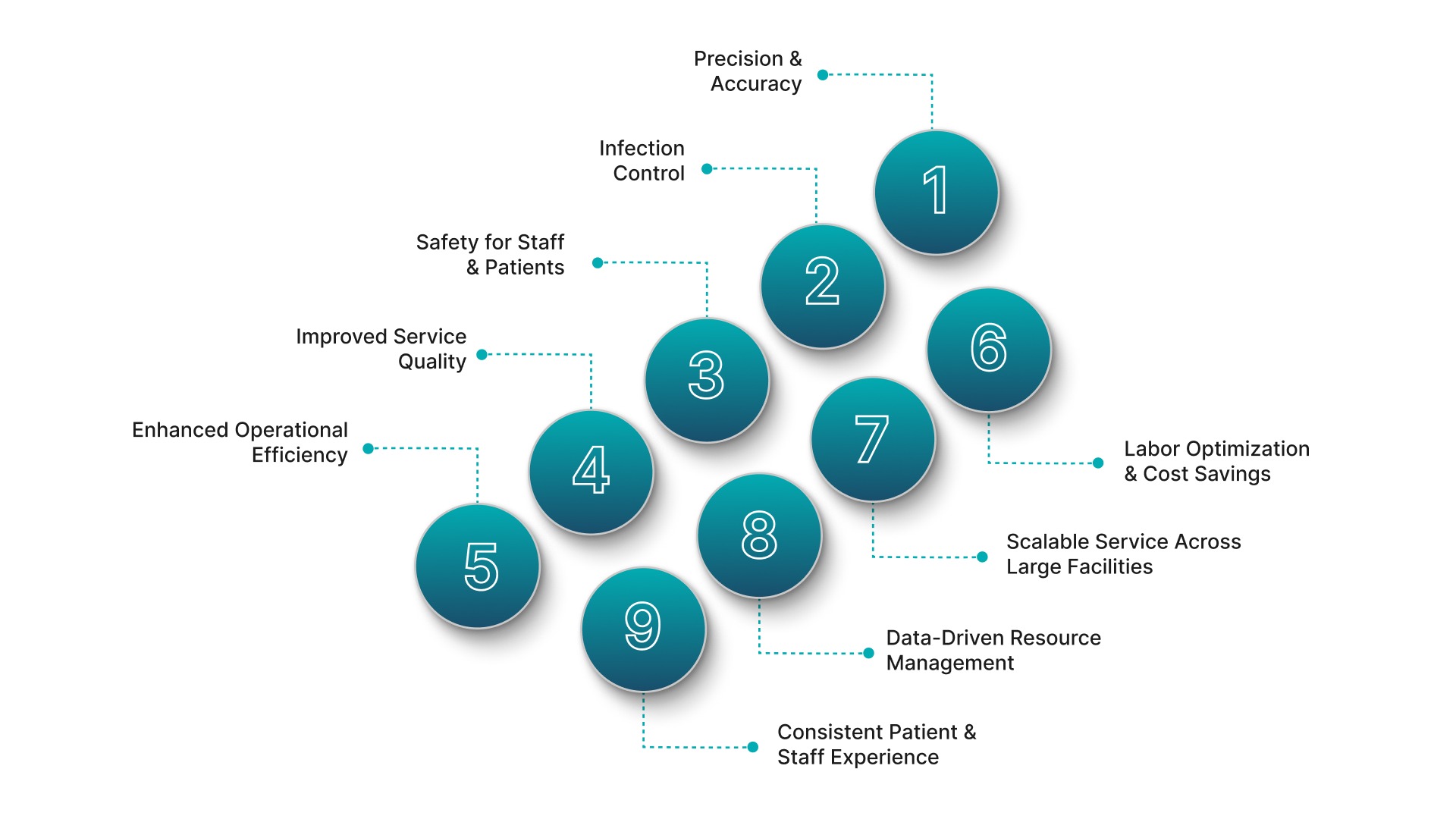
Robotic systems in hospitals streamline operations, improve safety, and enhance service quality in high-volume, labor-intensive settings. Here are the advantages of using robots in hospitals.
Precision and Accuracy
Surgical robots, diagnostic units, and automated dispensers execute complex procedures and tasks with sub-millimeter precision, reducing human error. They maintain exact dosages, sterile handling, and positioning for instruments. This ensures safer patient outcomes and minimizes the risk of post-procedure complications.
Infection Control
Cleaning and sterilization robots use UV-C light, HEPA filtration, or antimicrobial sprays to sanitize patient rooms, hallways, and high-touch surfaces. These systems reduce hospital-acquired infection rates, protect both patients and staff, and maintain strict compliance with hygiene protocols, especially in ICUs and surgical units.
Safety for Staff and Patients
Robotics minimizes staff exposure to heavy loads, infectious materials, and repetitive lifting tasks. By taking over these physically demanding or high-risk tasks, they reduce injuries, improve workplace safety, and maintain predictable, reliable handling of supplies and patient needs.
Improved Service Quality
Automation ensures repeatable, consistent delivery of meals, medications, and medical supplies. Patients and staff experience fewer errors, faster service, and reliable handling of supplies, improving overall satisfaction and operational efficiency during peak hours.
Enhanced Operational Efficiency
Robots automate repetitive logistics tasks such as transporting medications, linens, and meals across multiple floors, freeing nursing and support staff for patient-facing duties. Workflow scheduling algorithms ensure timely, uninterrupted deliveries, reducing bottlenecks during peak hours.
Labor Optimization and Cost Savings
Robots handle high-frequency, low-value tasks that otherwise require multiple staff members. This reduces overtime, mitigates staff shortages, and allows transfer of personnel to clinical and high-priority activities, improving overall productivity.
Scalable Service Across Large Facilities
Hospitals with multiple floors or high patient volume benefit from robots’ 24/7 operational capacity. Automated fleet coordination ensures all units cover multiple zones efficiently, maintaining consistent service even during peak occupancy periods.
Data-Driven Resource Management
Integrated robotics collects operational metrics, such as delivery times, energy consumption, and room traffic patterns. Facilities can use this data to optimize staffing, equipment placement, and inventory levels, enhancing long-term operational efficiency.
Consistent Patient and Staff Experience
By standardizing repetitive logistics and delivery tasks, robots maintain reliable service quality. This consistency reduces delays, improves patient satisfaction, and lowers the cognitive load on staff managing multiple high-demand tasks.
Now, It’s equally important to acknowledge the limitations of medical robots.
6 Disadvantages of Medical Robots in Hospitals
Automated commercial robotics in hospitals streamlines repetitive tasks, but they introduce financial, operational, and logistical challenges that facilities must address for sustainable use.
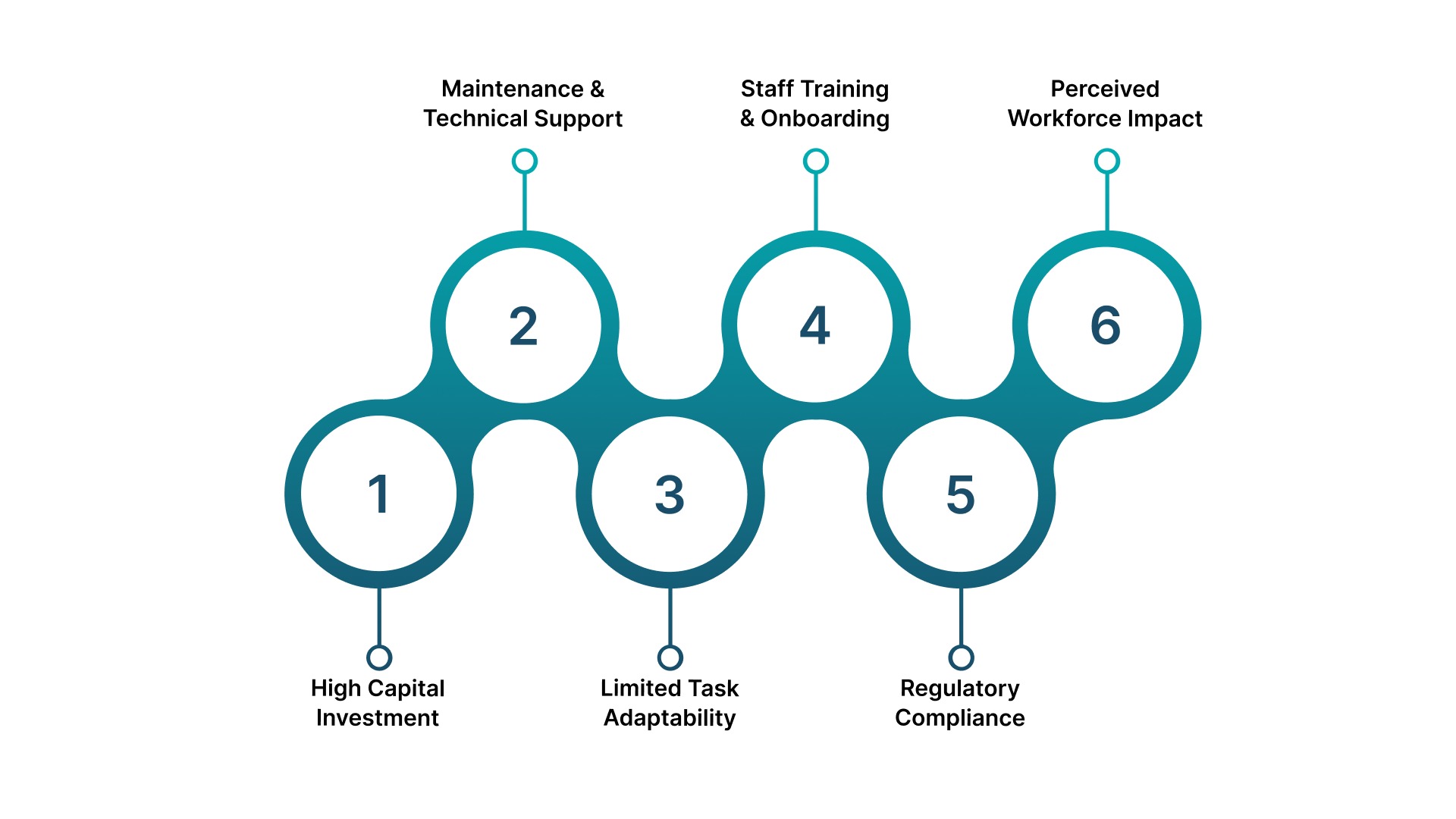
High Capital Investment
Installing robotic systems for deliveries, logistics, or sanitation requires significant upfront expenditure on hardware, integration, and software platforms, often limiting use to mid-to-large facilities.
Maintenance and Technical Support
Continuous operation depends on regular maintenance, software updates, and specialized technicians, which can increase operational costs and require dedicated support teams.
Limited Task Adaptability
Many hospital robots are designed for specific workflows, such as meal delivery or supply transport, and struggle to handle unexpected or ad-hoc tasks without human intervention.
Staff Training and Onboarding
Operational efficiency relies on properly trained staff to manage, supervise, and interact with robots, which can temporarily slow existing workflows during implementation.
Regulatory Compliance
Commercial robotics must adhere to hospital safety protocols, HIPAA, and infection-control standards, adding complexity to setting up and requiring strict monitoring procedures.
Perceived Workforce Impact
Staff may fear job displacement, making communication and workflow redesign critical to align automation with human resources rather than replace them.
Next, we’ll explore the top applications of robots in healthcare settings.
7 Best Use Cases of Robots in Healthcare
Automated commercial robotics are improving hospital operations by handling repetitive, labor-intensive tasks while ensuring speed, accuracy, and safety. These applications optimize workflows across departments, supporting high-foot-traffic healthcare facilities.
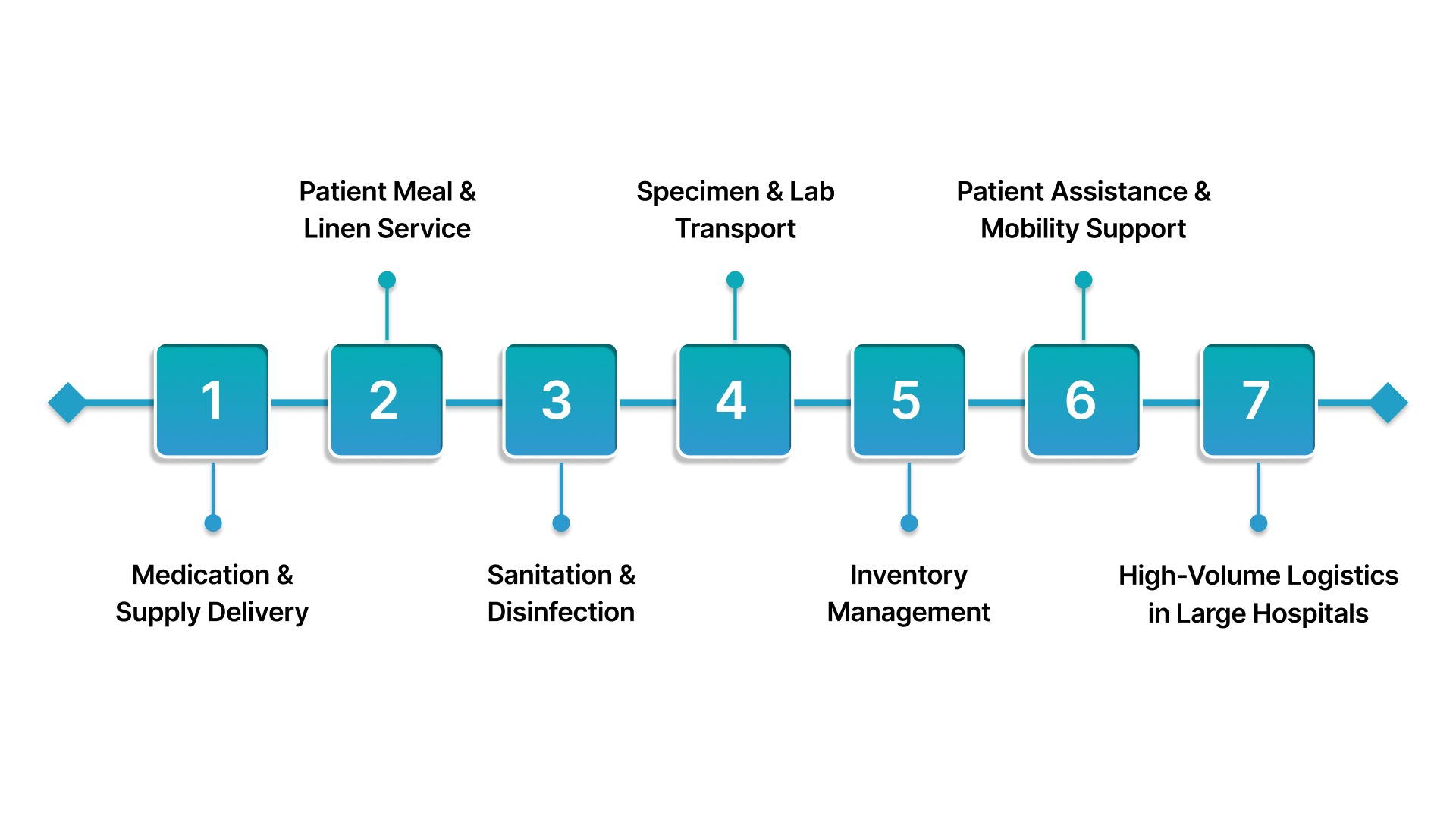
Medication and Supply Delivery: Robots transport medications, IV fluids, and surgical instruments between pharmacies, wards, and operating rooms. Autonomous navigation and secure payload compartments ensure timely delivery while reducing human handling errors.
Patient Meal and Linen Service: Robots distribute meals and clean linens to patient rooms, maintaining dietary and sanitation protocols. Automated scheduling optimizes delivery routes, reducing staff workload and ensuring consistent, on-time service.
Sanitation and Disinfection: UV-C and autonomous cleaning robots perform scheduled disinfection in patient rooms, hallways, and common areas. This reduces pathogen exposure, lowers infection rates, and complements manual cleaning teams.
Specimen and Lab Transport: Robots move blood samples, diagnostic specimens, and lab materials between collection points and testing labs. Secure, tracked containers ensure integrity and timely processing, improving lab efficiency.
Inventory Management: Mobile robots track medical supplies, medications, and equipment in real time. Automated stock replenishment alerts and route optimization reduce shortages and prevent unnecessary overstocking.
Patient Assistance and Mobility Support: Some robotic systems help patients transport personal items, assist in mobility, or provide guided navigation within hospitals. This improves patient experience while reducing non-clinical staff intervention.
High-Volume Logistics in Large Hospitals: In facilities with multiple floors or high patient turnover, robotic fleets coordinate deliveries across departments simultaneously. Fleet management systems optimize task allocation and minimize idle time, ensuring maximum efficiency.
Next, let’s look at some real-world examples of robotics in healthcare and hospitals.
7 Best Robot Solutions in Healthcare
Hospitals and healthcare facilities utilize automated commercial robotics across clinical, logistical, and support functions to optimize workflows, reduce human error, and improve service delivery.
PUDU D9
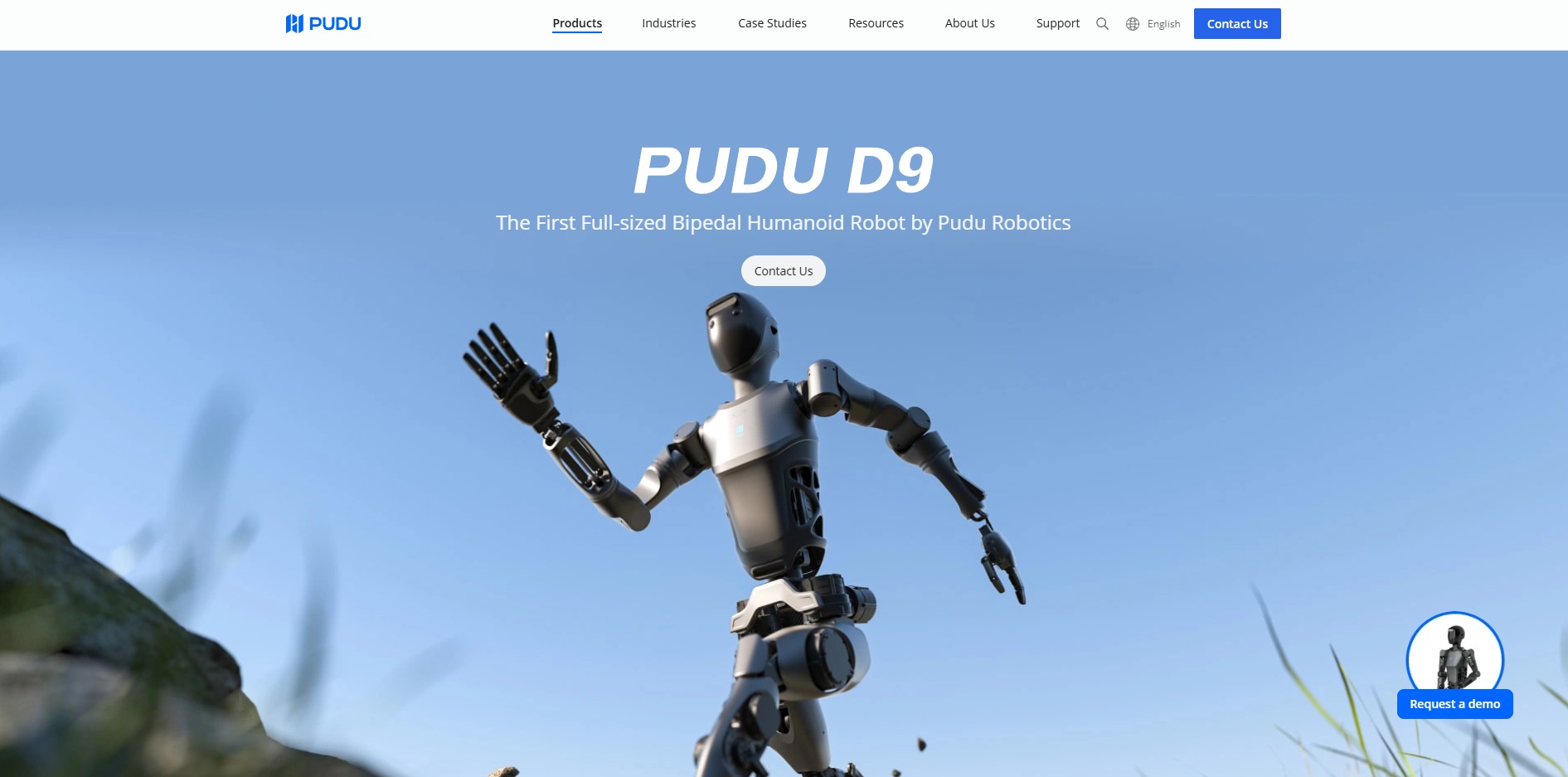
The PUDU D9 is a full-sized humanoid robot engineered to handle complex service tasks with human-like intelligence, dexterity, and presence. Capable of lifting, guiding, delivering, and interacting, the D9 performs physically demanding tasks such as carrying supplies, opening doors, and executing repetitive labor, reducing operational costs while maintaining consistent performance. Its human-like form and natural interaction abilities make it ideal for guest-facing roles in healthcare, hospitality, and retail environments.
As a distributor and deployment partner for leading robotics manufacturers, including Pudu Robotics, ToDo Robotics helps healthcare facilities select, integrate, and scale the PUDU D9 to optimize workflows and enhance operational efficiency.
TUG Robots by Aethon
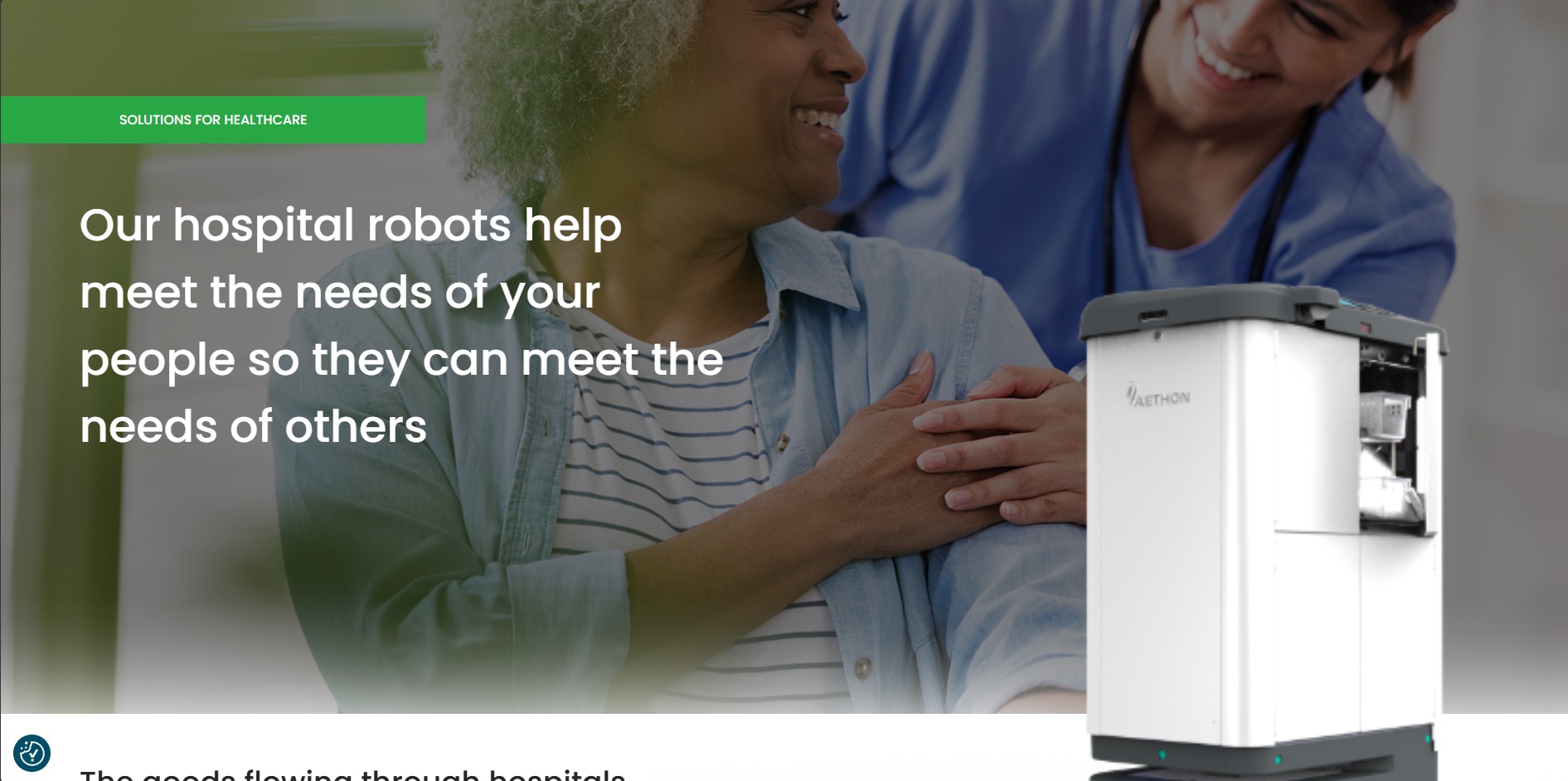
Autonomous mobile robots transport medications, lab samples, and linens in high-traffic hospitals. Integrated sensors prevent collisions, while scheduled routes reduce manual delivery time, enabling nurses and technicians to focus on patient care.
Xenex Germ-Zapping Robot
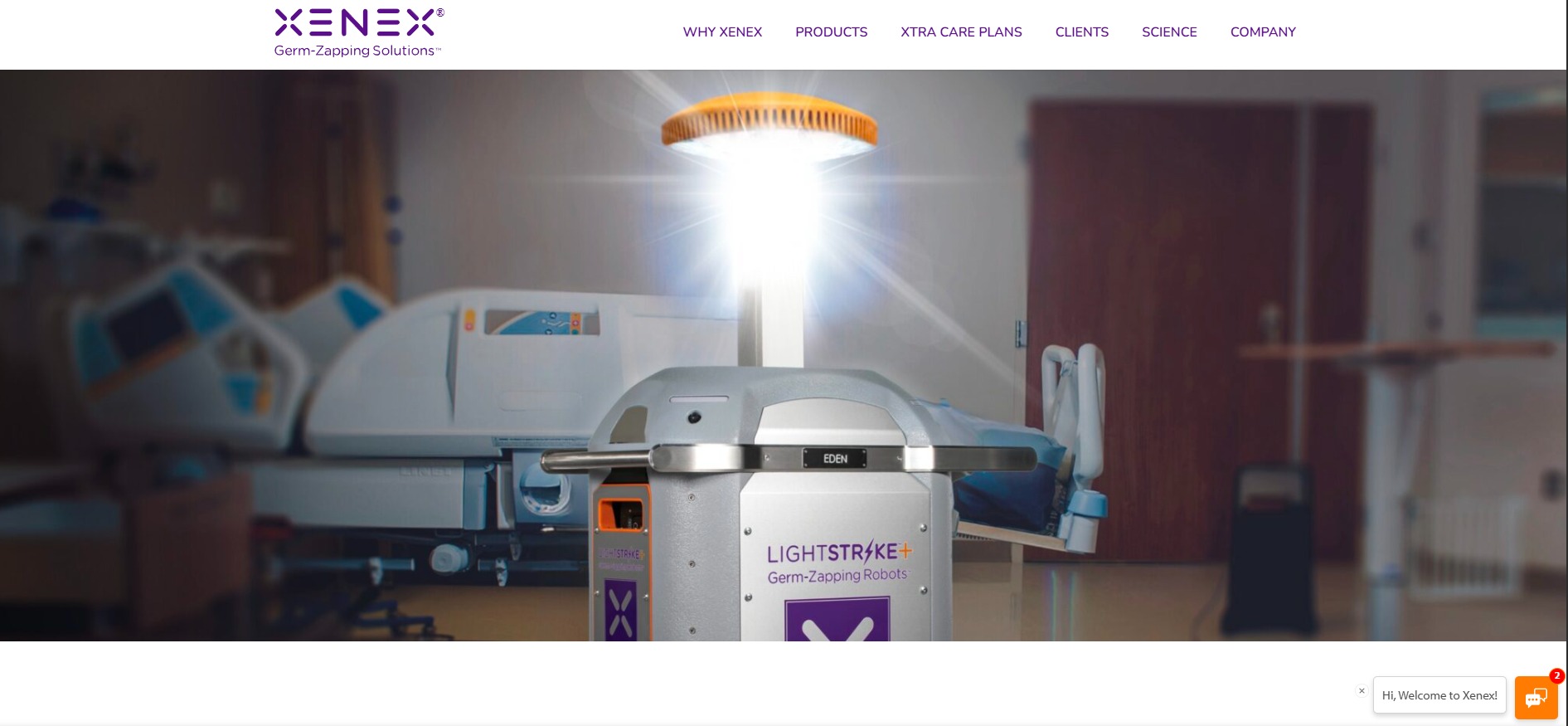
UV-C disinfection units sterilize operating rooms and patient rooms autonomously. Automated cleaning cycles reduce hospital-acquired infections and allow cleaning teams to manage multiple rooms efficiently without prolonged exposure to disinfectants.
Relay by Savioke
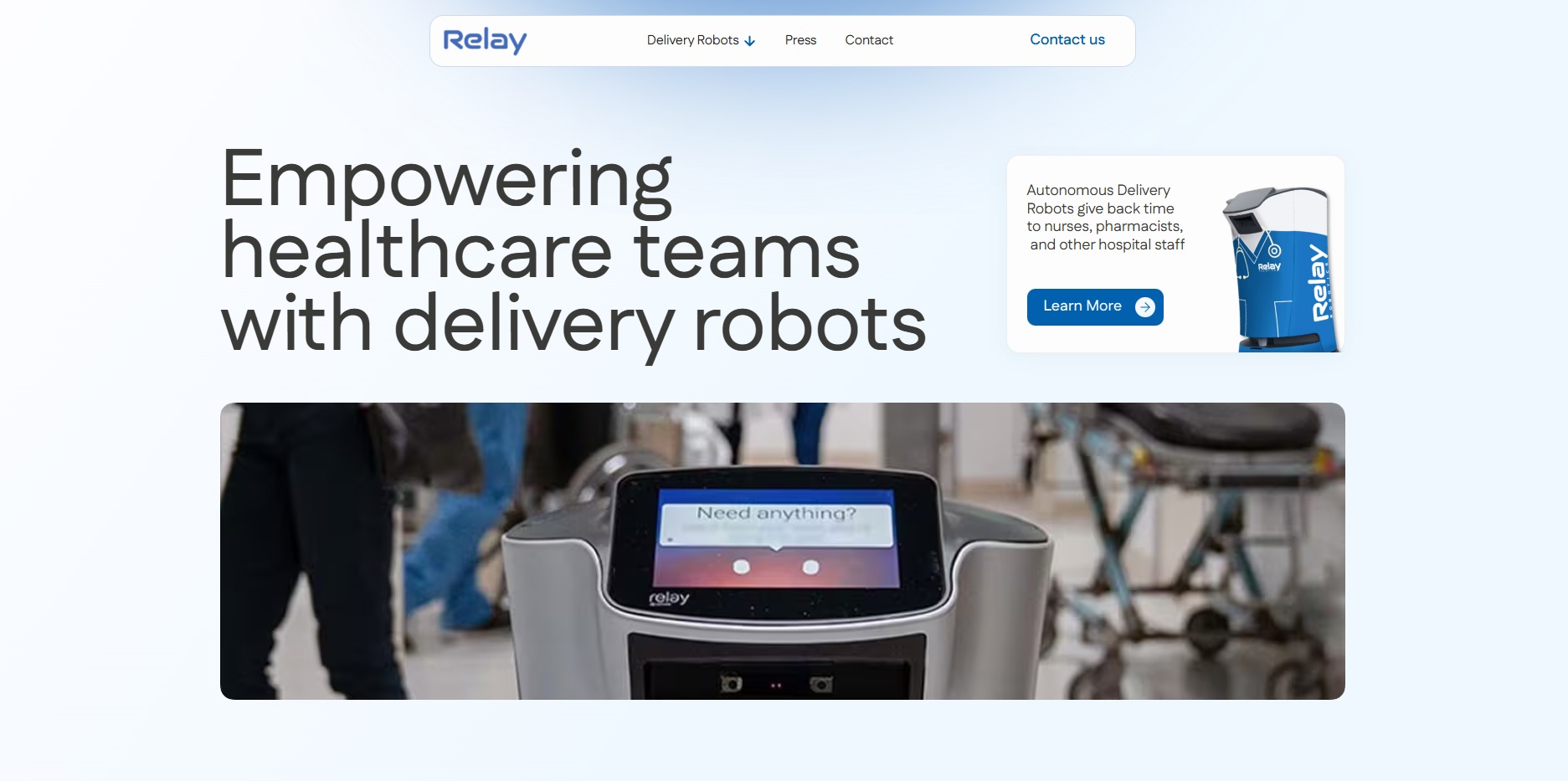
Delivery robots provide point-to-point transport of food, medications, and documents. Elevator integration and secure compartments ensure timely, contactless service in multi-floor hospital facilities, improving operational consistency during peak periods.
Da Vinci Surgical System

Robotic-assisted surgical platforms enhance precision and reduce patient recovery times. While requiring trained operators, these systems automate complex procedures, minimize invasive incisions, and optimize surgical workflow in high-volume surgical centers.
Panasonic HOSPI
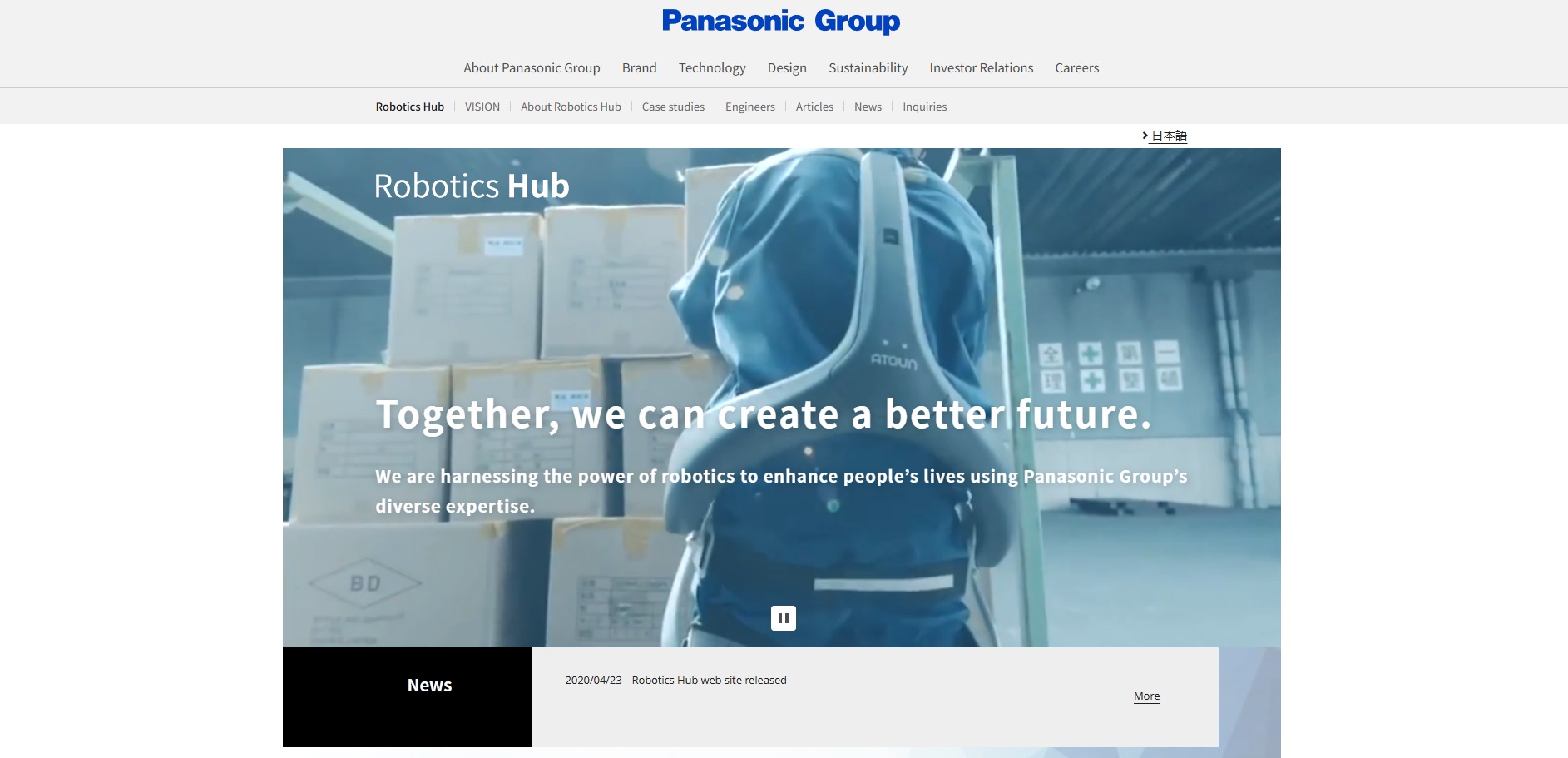
Indoor logistics robots handle hygiene-sensitive deliveries such as medications and sterile equipment. Fleet coordination and obstacle avoidance allow consistent operation across wards, reducing manual labor requirements and increasing operational reliability.
Aethon MedEx
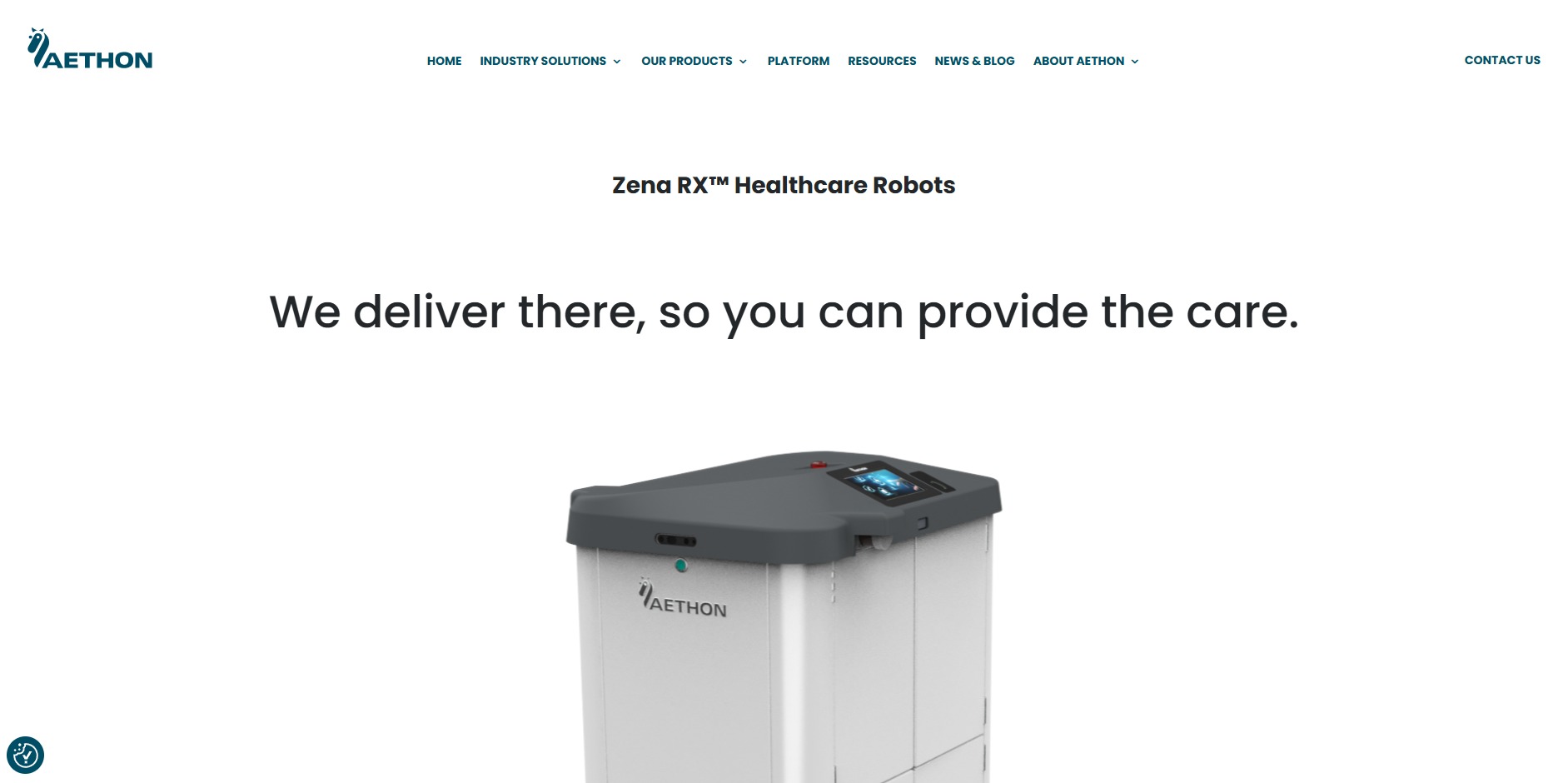
Robotic pharmacy automation streamlines medication dispensing, counting, and distribution. These systems reduce human error, track inventory in real-time, and ensure compliance with regulatory requirements in high-volume hospital pharmacies.
These examples highlight how automated commercial robotics in hospitals improves task efficiency, reduces labor dependency, and maintains high standards of service quality across clinical and operational workflows.
Next, let’s discuss the future trajectory of robotics in medical facilities.
What is the Future of Robotics in Healthcare?
Automated commercial robotics in healthcare is developing toward fully integrated, intelligent systems that streamline operations, reduce labor burdens, and enhance patient and facility management. Hospitals and large wellness centers are increasingly relying on robots for high-volume, repetitive tasks while enabling staff to focus on clinical and high-value services.
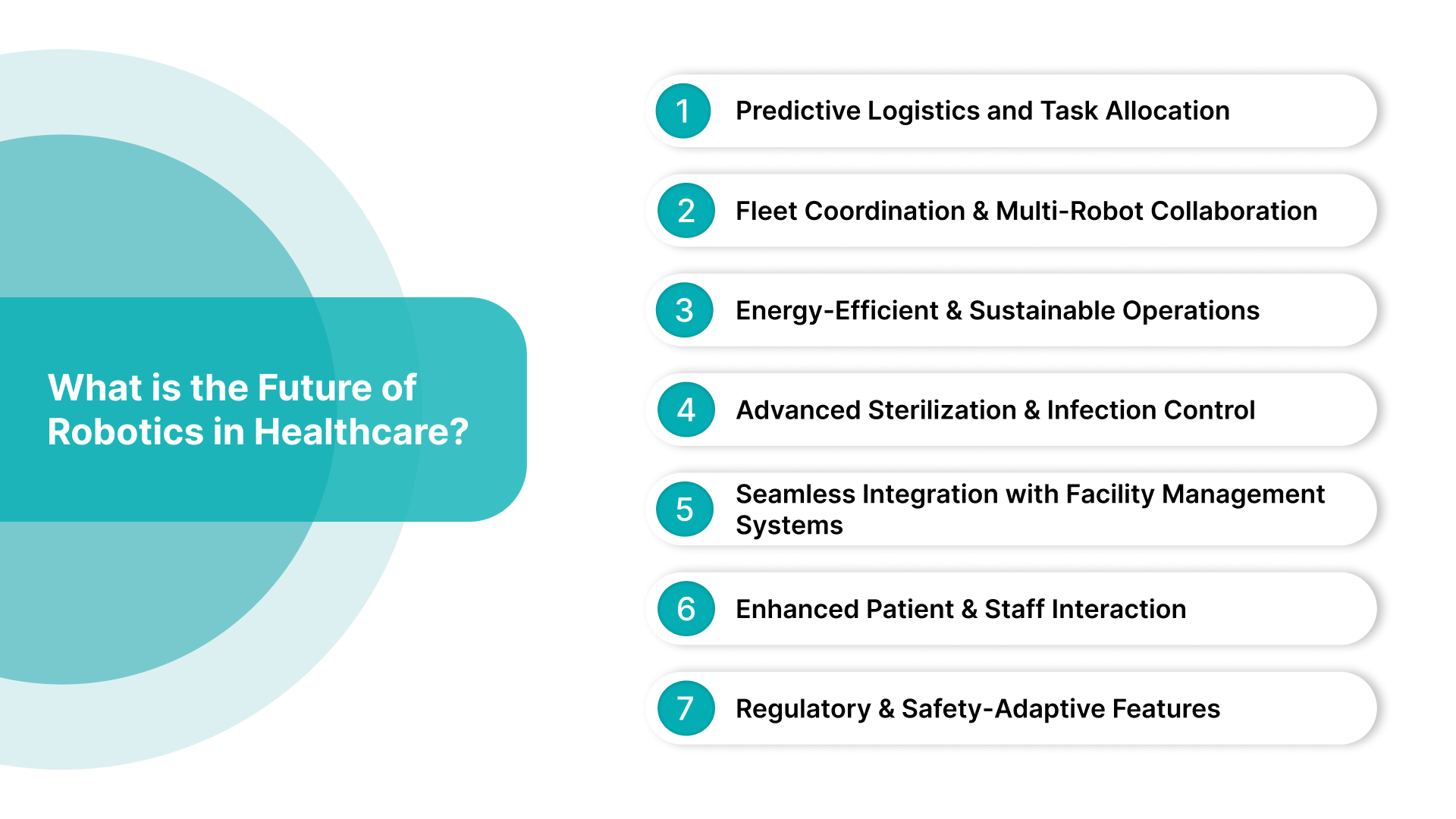
Predictive Logistics and Task Allocation: Future systems will use AI-driven analytics to forecast supply needs, optimize intra-hospital delivery routes, and pre-position robotic units for peak operational hours.
Fleet Coordination and Multi-Robot Collaboration: Hospitals will establish coordinated robotic fleets that communicate in real time, ensuring synchronized deliveries, efficient cleaning, and rapid response to urgent clinical needs.
Energy-Efficient and Sustainable Operations: Next-generation robots will feature adaptive power management, route optimization, and low-energy drive systems to reduce facility energy consumption and minimize carbon footprint.
Advanced Sterilization and Infection Control: Robotic units will integrate UV-C, hydrogen peroxide vapor, and autonomous sanitation protocols to maintain infection-free zones, particularly in ICUs, surgical suites, and patient rooms.
Seamless Integration with Facility Management Systems: Robots will connect directly with electronic health records, inventory management, and building automation systems, ensuring real-time reporting and operational intelligence.
Enhanced Patient and Staff Interaction: Future robots will handle non-clinical patient requests, deliver amenities, and facilitate logistics while maintaining safe distance protocols, reducing staff exposure in high-risk areas.
Regulatory and Safety-Adaptive Features: Next-gen robotic systems will adapt workflows to comply with hospital safety standards, FDA guidelines, and HIPAA, ensuring secure handling of sensitive materials.
Automated commercial robotics in hospitals are thus positioned to improve operational efficiency, cost management, and service consistency, establishing a foundation for smarter, safer, and more responsive healthcare environments.
Here’s how ToDo Robotics is helping hospitals improve operations with intelligent robotics.
How Can ToDo Robotics Optimize Healthcare Operations as a Partner of Leading Manufacturers
Healthcare facilities face ongoing pressure from staffing shortages, rising costs, and strict hygiene requirements across high-traffic environments. ToDo Robotics, as a trusted distributor and deployment partner of leading robotics manufacturers, including Pudu Robotics and Gausium, helps hospitals, assisted living facilities, and wellness centers implement proven commercial robotics to automate delivery, logistics, and cleaning workflows.
FlashBot: FlashBot automates secure point-to-point delivery of medications, linens, and supplies across multiple hospital floors. Elevator integration, NFC access, and password verification protect sensitive materials during transport.
PUDU T300: Designed for heavy-duty hospital logistics, the T300 moves loads up to 300kg across corridors and service areas. Its AMR architecture adapts quickly to layout changes in storage rooms and supply zones.
BellaBot Pro: BellaBot Pro supports non-clinical delivery tasks such as meal trays, samples, and consumables in patient wards. Smart tray detection and compact clearance ensure safe navigation in busy hallways.
PUDU D7: The semi-humanoid D7 assists with complex service tasks like door operation, elevator control, and item handoffs. High-precision manipulation enables safe interaction in patient-facing environments.
CC1 Cleaning Robot: CC1 combines sweeping, scrubbing, vacuuming, and mopping for daily hospital floor maintenance. It transitions smoothly across hard floors and low-pile carpets found in clinical facilities.
MT1 Sweeping Robot: MT1 handles large hospital lobbies, corridors, and parking access zones with 24/7 autonomous sweeping. Multi-sensor AI vision ensures debris detection without interrupting foot traffic.
Scrubber 50: Scrubber 50 delivers deep, consistent floor sanitation using LiDAR and vision-based perception. Adaptive path planning supports infection control standards in high-risk hospital areas.
Vacuum 40: Built for narrow corridors and patient wings, Vacuum 40 cleans carpets and hard floors with automatic mode switching. Edge-to-edge cleaning improves hygiene in tight clinical spaces.
With ToDo Robotics, hospitals gain scalable automation that enhances safety, cleanliness, and operational resilience, without adding staffing pressure.
Conclusion
Hospitals integrating robotics report measurable efficiency gains, safer workflows, and higher staff satisfaction. A focus on high-volume, labor-intensive processes allows clinical personnel to dedicate more time to critical care, while robots handle logistics, sanitation, and intra-facility transport reliably.
With integration into facility management systems, predictive task allocation, and energy-efficient operations, the advantages of using robots in hospitals extend beyond immediate labor savings. They support infection control, ensure 24/7 operational continuity, and improve service quality across large healthcare establishments.
ToDo Robotics supports healthcare facilities by helping them select, integrate, and deploy high-performance cleaning and delivery robots designed for infection control. For example, platforms like the CC1 handle sweeping, scrubbing, vacuuming, and mopping across mixed hospital flooring, while the MT1 delivers continuous AI-powered sweeping for large corridors and lobbies. These solutions help hospitals maintain hygiene standards even during peak activity and staff shortages.
Contact ToDo Robotics to learn how your facility can implement hospital-ready delivery and cleaning robots, tailored to your workflows, with the guidance and support of a trusted deployment partner.
FAQs
Are robots replacing hospital staff?
No, robots automate repetitive, labor-intensive tasks, allowing staff to focus on clinical duties, patient care, and high-value service operations.
How do robots improve patient safety?
They reduce human error, maintain consistent sterilization, and ensure timely delivery of critical supplies, minimizing infection risk and operational bottlenecks.
Can robots handle high-volume hospital logistics?
Yes, automated fleets coordinate deliveries, stock replenishment, and intra-facility transport across multiple floors efficiently and reliably.
Are robots cost-effective for hospitals?
Most mid-to-large hospitals achieve ROI within 12–24 months through labor optimization, reduced overtime, and improved resource utilization.
Do robots work in complex hospital environments?
Yes, advanced LiDAR, SLAM mapping, and adaptive navigation allow robots to handle corridors, elevators, patient rooms, and crowded service areas.