Your operation does not slow down just because staffing does. Lunch rush still hits, patient rounds still happen, and floors still need cleaning. Yet most days, you are handling all of this with fewer people and almost no room for mistakes.
In high-traffic environments, that gap shows up quickly. Staff get pulled into delivery runs, cleaning slips during peak hours, and supervisors spend more time reacting than actually running the floor. This pressure is pushing teams toward automation.
In 2024, robot-as-a-service fleets grew by 31% as operations looked for flexible ways to keep work moving despite staffing gaps. The solution is knowing where autonomous robots fit into daily operations and how they bring real, practical value.
In this blog, you’ll explore what autonomous robots actually do in 2026 and why they are becoming essential in your daily operations.
Key Takeaways:
Automation that doesn’t pause. An autonomous robot keeps delivery and cleaning running despite staffing gaps or demand spikes.
Stability over improvisation. Predictable execution and consistent standards reduce last-minute labor fixes.
Repeatable workflows win. Robots perform best when assigned clear, recurring tasks in busy environments.
Reliability is engineered. Navigation, perception, decision-making, power management, and learning drive real results.
Performance improves with use. Starting small and allowing real-world learning leads to smoother daily operations.
What Does an Autonomous Robot Mean for Your Daily Operations?
An autonomous robot handles routine delivery or cleaning tasks on its own, without anyone having to guide it step by step. In your operation, that means food, supplies, or cleaning tasks keep moving even when your team is short-staffed or stretched thin.
You do not need to plan breaks for it or pull someone away from the floor to watch over every move. Once routes and tasks are set, the robot moves through your space, completes the job, and heads back to charge when needed.
As day-to-day demands continue to increase, the need for solutions that can withstand pressure consistently becomes clearer.
The Real Advantages of Autonomous Robots for High-Traffic Facilities
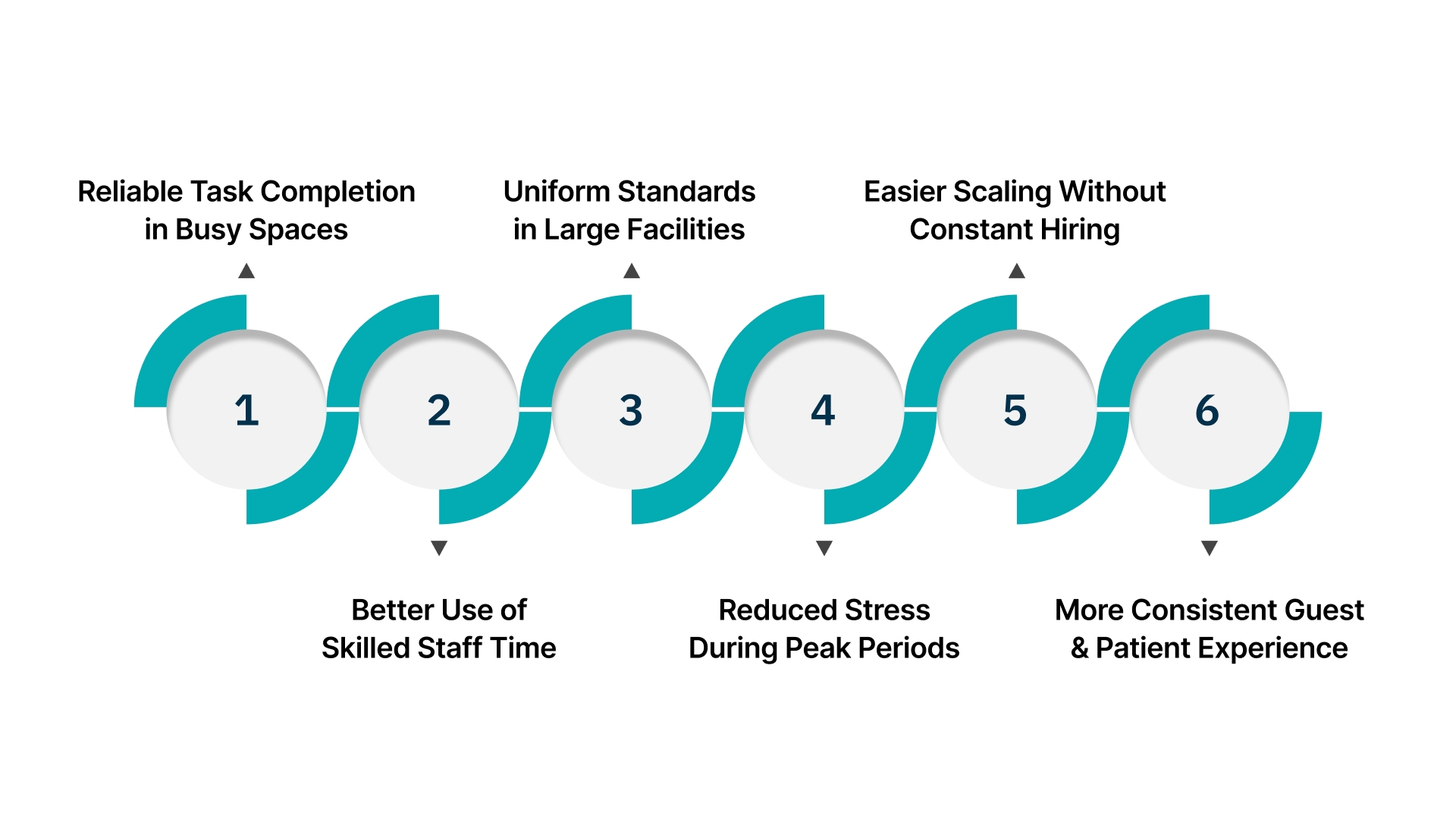
High-traffic facilities need consistency, even when conditions change hour by hour. Autonomous robots help steady routine work that becomes harder to manage as foot traffic increases. Their value shows up in how things run every day.
Predictable Task Completion in Busy Spaces
Foot traffic fluctuates, but delivery and cleaning tasks still need to be completed on time. Autonomous robots follow fixed routes and schedules without getting thrown off by crowds. This keeps essential work moving even when your floor is packed.
Better Use of Skilled Staff Time
Your team adds the most value through interaction, judgment, and problem-solving. Autonomous robots handle routine movement and cleaning tasks, so staff can stay focused on guests, patients, or shoppers. This improves efficiency and experience without adding more people.
Consistent Standards Across Large Facilities
Autonomous robots perform routine delivery and cleaning tasks the same way on every run, no matter the area or shift.
Providers like ToDo Robotics focus on deploying systems that maintain this consistency across locations, helping you keep service and cleanliness steady throughout the facility.
Less Operational Stress During Peak Periods
Busy hours leave little room for mistakes or delays. Autonomous robots do not rush or lose focus under pressure. That reliability reduces issues and helps supervisors keep shifts running smoothly.
Easier Scaling Without Constant Hiring
As foot traffic grows, repetitive work increases faster than your staffing capacity. Autonomous robots let you expand delivery and cleaning coverage without adding new roles. This makes growth easier to manage when hiring stays challenging.
More Consistent Guest and Patient Experience
When routine tasks run smoothly, people notice faster service and fewer interruptions. Autonomous robots help cut delays caused by staff being pulled in too many directions. This supports a calmer, more organized experience in places where first impressions matter.
To fully appreciate how these benefits play out, it is helpful to look at the features that keep autonomous robots running smoothly on the floor.
Key Components That Make an Autonomous Robot Reliable on the Floor
Reliability on a busy floor comes from how well a robot handles real-world conditions, not how advanced it looks on paper. These components determine whether a robot fits smoothly into daily operations or causes interruptions.
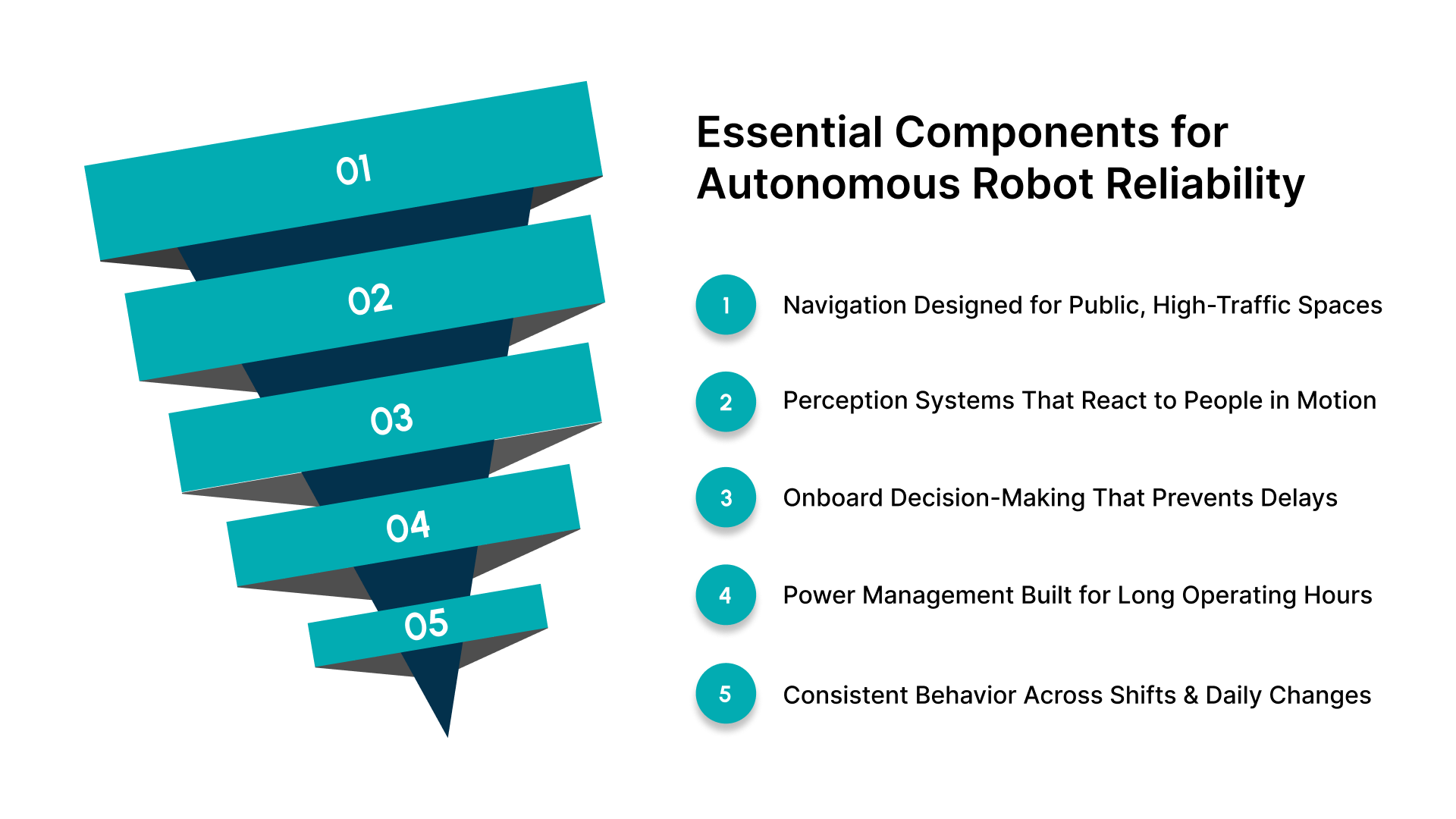
Navigation Designed for Public, High-Traffic Spaces
A reliable autonomous robot understands fixed routes while adjusting to constant movement around it. It moves around guests, carts, and temporary obstacles without stopping or needing help. This keeps work moving even as layouts or traffic patterns shift during the day.
Perception Systems That React to People in Motion
Crowded environments change quickly, especially during peak hours. Strong perception systems help the robot detect nearby movement, maintain safe distances, and respond smoothly. This reduces hesitation, sudden stops, and safety concerns on the floor.
Onboard Decision-Making That Prevents Delays
Not everything goes as planned during a shift. A reliable robot can reroute, pause, or resume tasks on its own when conditions change. That independence keeps small issues from turning into bigger slowdowns.
Power Management Built for Long Operating Hours
Short runtimes limit how useful a robot can be in high-volume spaces. Reliable robots manage battery use carefully and return to charge on their own. This keeps them available during long shifts without creating coverage gaps.
Consistent Behavior Across Shifts and Daily Changes
Your operation changes from morning to night, but the robot’s performance should stay the same. Reliable systems complete tasks the same way every time, no matter the traffic or staffing levels. That consistency makes automation dependable instead of disruptive.
Once you understand what keeps these robots reliable, it’s easier to see why different types are designed for specific tasks in commercial settings.
4 Key Types of Autonomous Robots Used in Commercial Environments
Autonomous robots in commercial settings are designed to handle specific workflows. Each type focuses on a small set of tasks so it can work reliably in busy, public spaces. Choosing the right one comes down to which tasks slow your operation down the most.
Type of Autonomous Robot | Primary Tasks | Where It Fits Best | Why It’s Valuable for Your Operation |
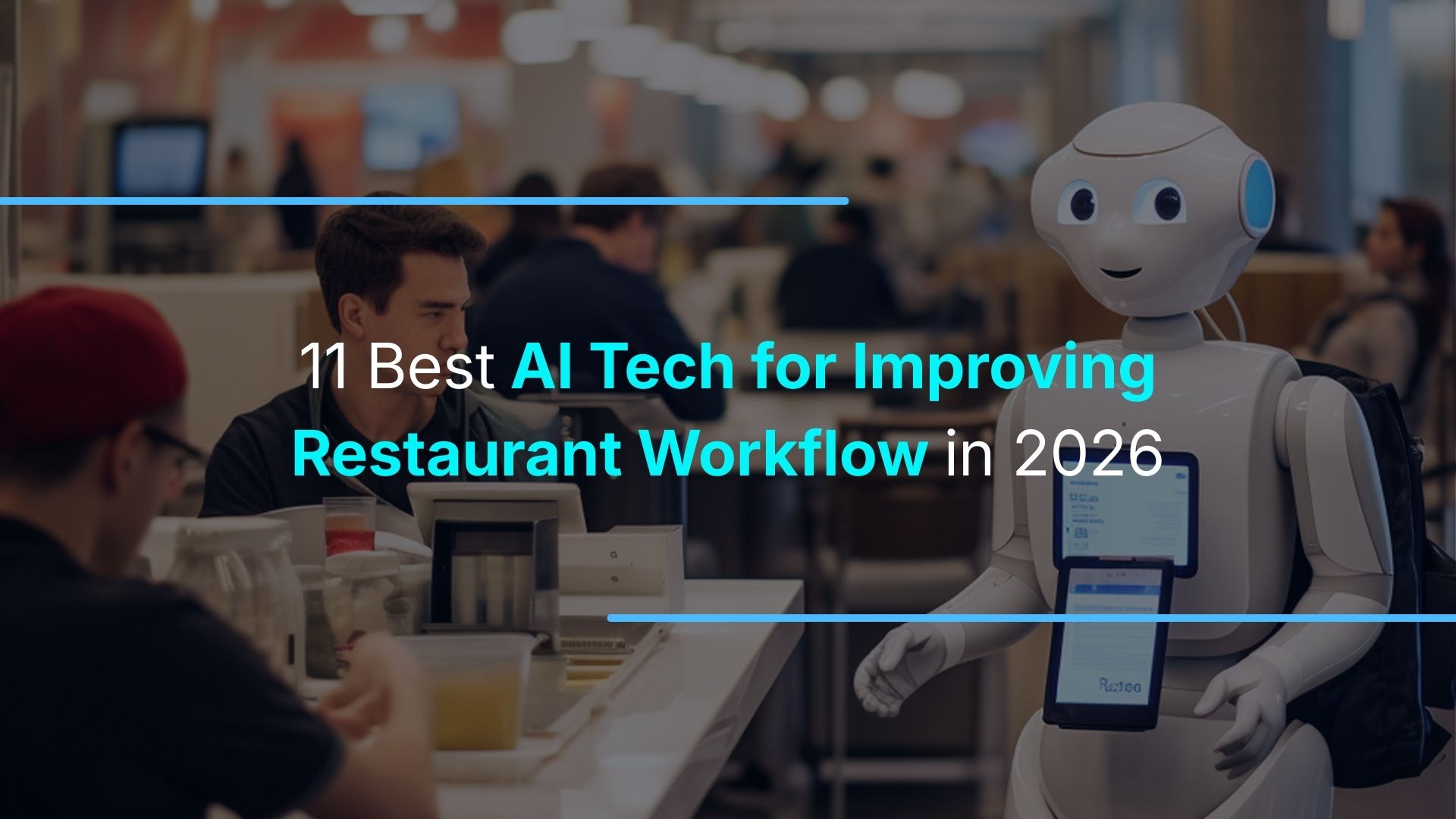
Delivery Robots | Move food, supplies, or items between fixed points | Restaurants, hotels, hospitals, food courts | Reduces staff time spent walking and keeps service moving during busy shifts. |
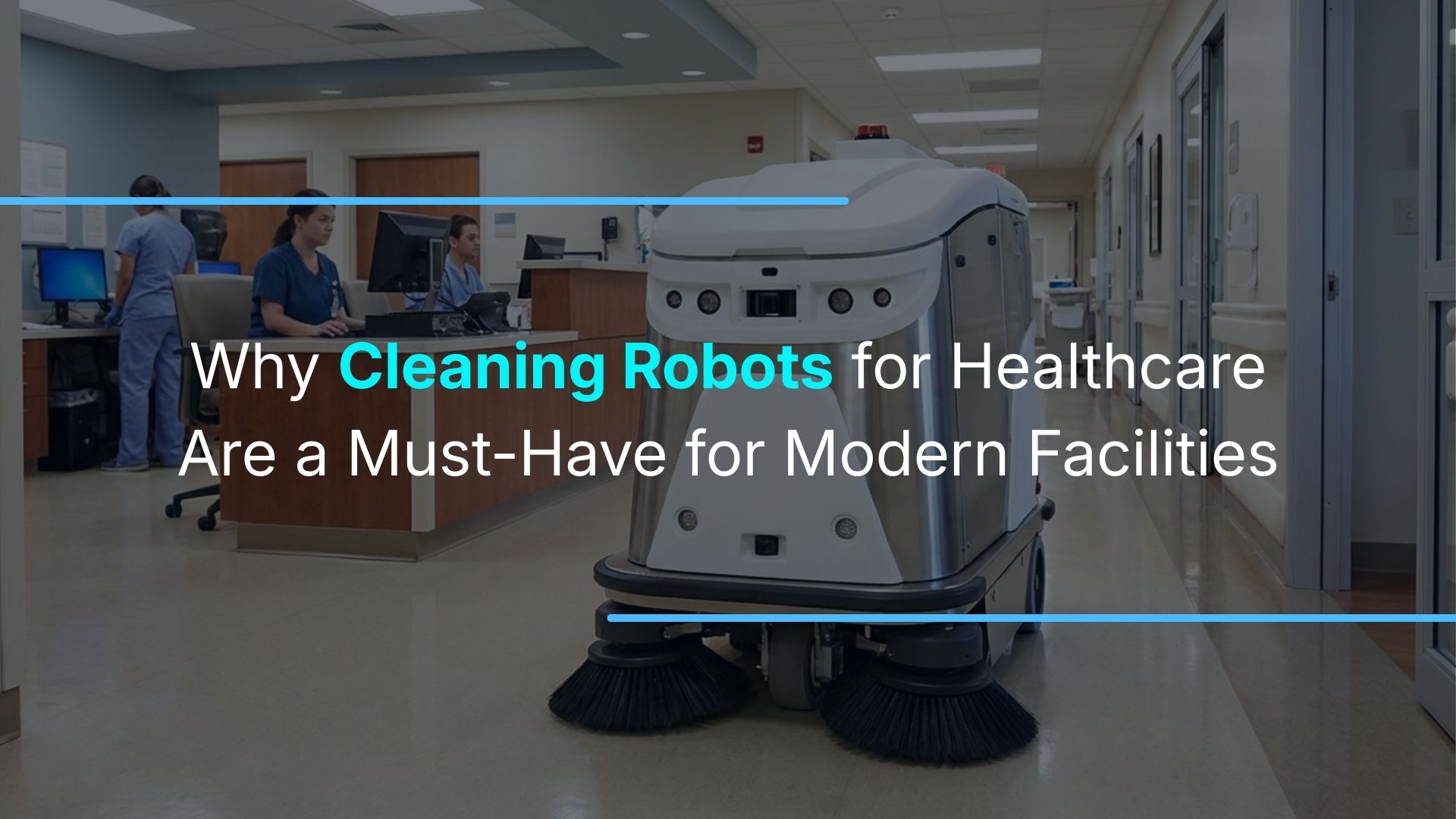
Cleaning Robots | Sweep, scrub, and maintain floors on set routes | Malls, offices, airports, large retail spaces | Maintains consistent cleanliness without adding shifts or headcount. |
Support Robots | Provide directions and basic information | Lobbies, entrances, reception areas | Handles routine questions so staff can focus on core responsibilities. |
Hybrid Robots | Combine delivery and guidance tasks | Hotels, mixed-use facilities, compact spaces | Covers multiple workflows when space or staffing is limited. |
While different robot types offer tailored solutions, it’s important to understand the practical challenges that can arise when putting them into everyday use.
Practical Challenges You Should Expect with Autonomous Robots
Autonomous robots work best when you go in with clear expectations. The challenges below are a normal part of rollout and come with practical solutions.
Common Challenges | Why It Happens in Real Operations | Practical Way to Address It |
Choosing the right tasks to automate first | Not every task is predictable or repeatable enough for automation | Start with routine delivery or cleaning routes that happen every shift, then expand once the robot proves value. |
Minor layout constraints in busy spaces | Most facilities weren’t designed for autonomous movement | Make small adjustments like clearing narrow paths or defining pickup points to support smooth navigation. |
Staff hesitation during early use | Teams may be unsure how the robot fits into daily work | Provide simple training and assign clear ownership so staff see the robot as support, not a replacement. |
Early performance tuning | Routes and timing need real-world usage to improve | Allow a short adjustment period and refine workflows based on how the robot operates on the floor. |
Workflow integration gaps | Robots follow processes but don’t define them | Set clear handoff points and task timing so the robot fits naturally into existing routines. |
Knowing the potential challenges makes it easier to identify the features and qualities that matter most when choosing the right autonomous robot for your operation.
What to Look for Before Choosing an Autonomous Robot?
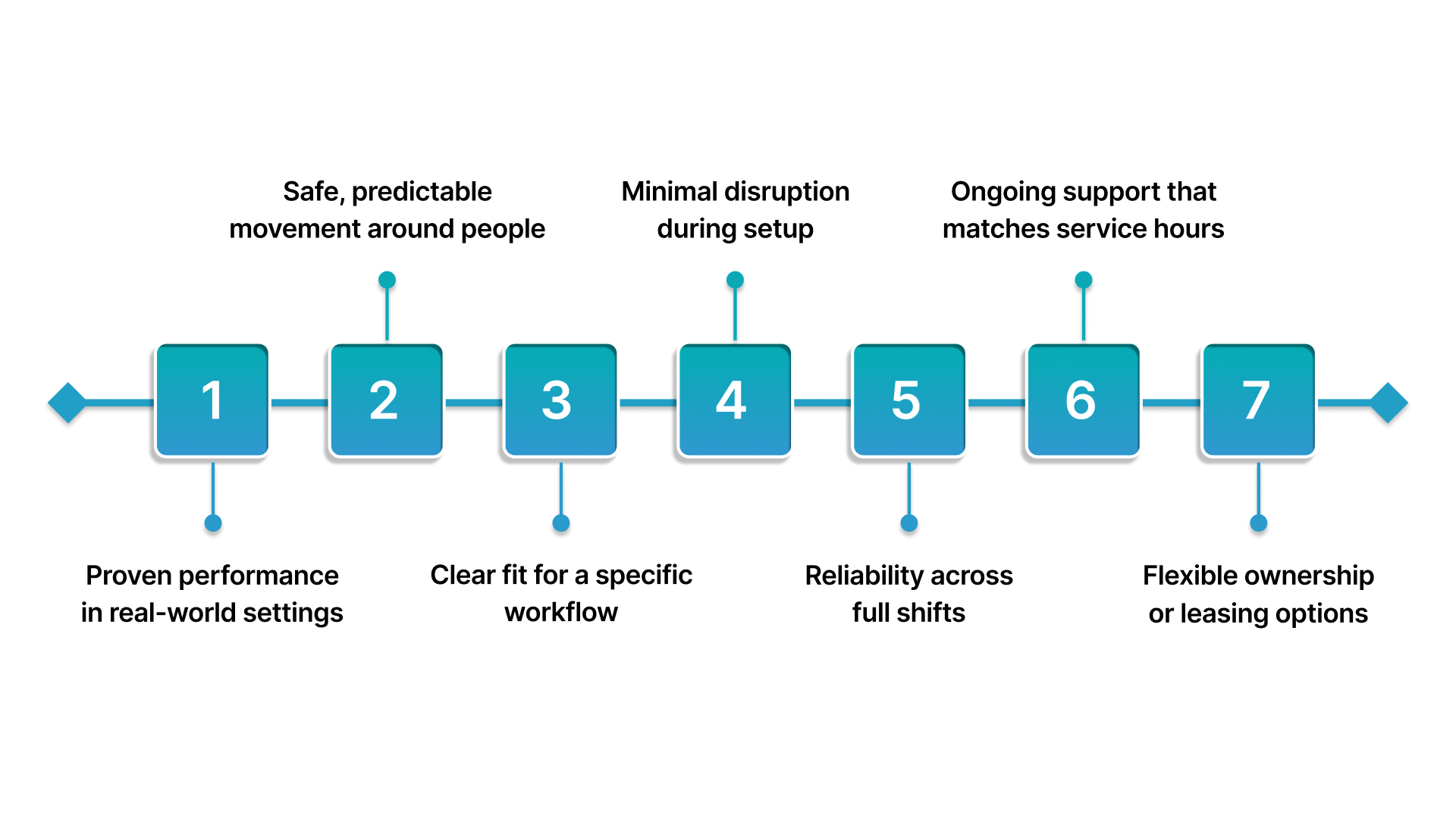
Choosing an autonomous robot is an operational choice. The right fit depends on how well the robot works in your environment, supports your workflows, and matches your staffing reality. These are the factors that matter most before you move forward.
Proven performance in real, public environments: Choose a robot that already works in busy, customer-facing spaces with foot traffic, noise, and constant movement, so you reduce risk and avoid surprises once it’s on your floor.
Safe and predictable movement around people: The robot should move at controlled speeds, respond smoothly to people nearby, and behave consistently, helping staff and guests feel comfortable sharing the space.
Clear fit for a specific workflow: Autonomous robots perform best when assigned repeatable tasks like delivery runs or floor cleaning, since trying to do everything usually leads to poor results.
Minimal disruption during setup: Deployment should be quick and simple, with minimal layout changes, so your operation keeps running smoothly and your team sees value sooner.
Reliability across full shifts: The robot should operate for long hours and manage charging autonomously, because steady availability matters more than impressive performance claims.
Ongoing support that matches service hours: Problems can occur at any time, so responsive support and clear maintenance options help reduce operational risk.
Flexible ownership or leasing options: Buying or leasing flexibility lets you start small and scale as needs change, keeping automation aligned with how your operation grows.
How Does ToDo Robotics Support Daily Operations with Autonomous Robots?
ToDo Robotics focuses on supporting daily operations by helping businesses adopt autonomous robots that are already proven in live, commercial environments. Their approach centers on reliability, safety, and consistent performance in spaces where robots operate around people throughout the day.
The company works across hospitality, healthcare, retail, and commercial facilities, where routine delivery, cleaning, and internal transport are part of everyday operations. By automating repeatable tasks with autonomous robots, ToDo Robotics helps teams reduce operational strain while maintaining steady workflows across shifts.
To support daily operations across different environments, ToDo Robotics offers a focused lineup of autonomous robots designed for specific workflows:
BellaBot Pro: A customer-friendly delivery robot built for restaurants and hospitality spaces, with high carrying capacity and an interactive design that enhances the guest experience.
PuduBot 2: A multi-tray delivery robot designed for busy service environments, helping move items efficiently and reduce staff workload during peak hours.
KettyBot Pro: A versatile robot that combines delivery, navigation, and marketing displays, making it well-suited for retail and other customer-facing spaces.
CC1 & Vacuum 40: Autonomous cleaning robots made for large commercial areas, helping maintain consistent cleanliness with minimal hands-on effort.
FlashBot & FlashBot Arm: Intelligent delivery robots built for commercial buildings, supporting secure, multi-floor transport and smoother internal logistics.
Beyond providing robots, ToDo Robotics supports the full adoption process. This includes product guidance, live demos, and deployment support to help businesses integrate autonomous robots into existing layouts and workflows. This hands-on approach helps teams move from interest to real-world use with clarity and confidence.
Final Thoughts
Autonomous robots do not improve operations on their own. The real change happens when you plan for them as part of everyday capacity.
When routine delivery and cleaning tasks run consistently, you depend less on overtime, temporary coverage, and constant rehiring for high-turnover roles. Over time, this more stable model helps control labor costs while maintaining service quality, even as demand rises and falls.
ToDo Robotics helps businesses bring this approach to life by deploying autonomous robots for delivery, cleaning, and internal transport in real service environments. With proven robots, flexible deployment options, and hands-on support, teams can integrate automation into daily operations smoothly and without disruption.
FAQs
Q1. How long does it usually take to see value from an autonomous robot?
A1. Most operations start seeing improvements within the first few weeks. Early gains usually come from fewer staff walking and more consistent task completion. As routes and workflows settle into daily routines, the benefits become more noticeable.
Q2. Do autonomous robots work in spaces that change layout often?
A2. Yes, they can. Frequent layout changes may need basic re-mapping or small adjustments, but robots work best when main pathways stay the same. Everyday changes like moved tables or carts are usually handled without any issues.
Q3. What happens if an autonomous robot encounters an unexpected blockage?
A3. The robot responds based on how it’s set up. It may pause, reroute, or wait until the path clears. This keeps things safe and allows the robot to continue on its own without manual resets.
Q4. Can autonomous robots operate during business hours without disrupting customers?
A4. Yes, when they’re configured properly. Controlled speeds, smooth movement, and predictable behavior help robots blend into busy environments. Most guests get comfortable quickly when the robot moves in a calm, natural way.
Q5. How much ongoing staff involvement is required after deployment?
A5. After deployment, ongoing staff involvement is required very little on a daily basis. Once workflows are in place, staff usually interact only at pickup or drop-off points. Occasional checks are enough to keep everything running smoothly.